The hand-shadow light test
The free 30-second trick plant pros use: read your hand's shadow to know if a spot has bright, medium or low light — and which plants will thrive there.
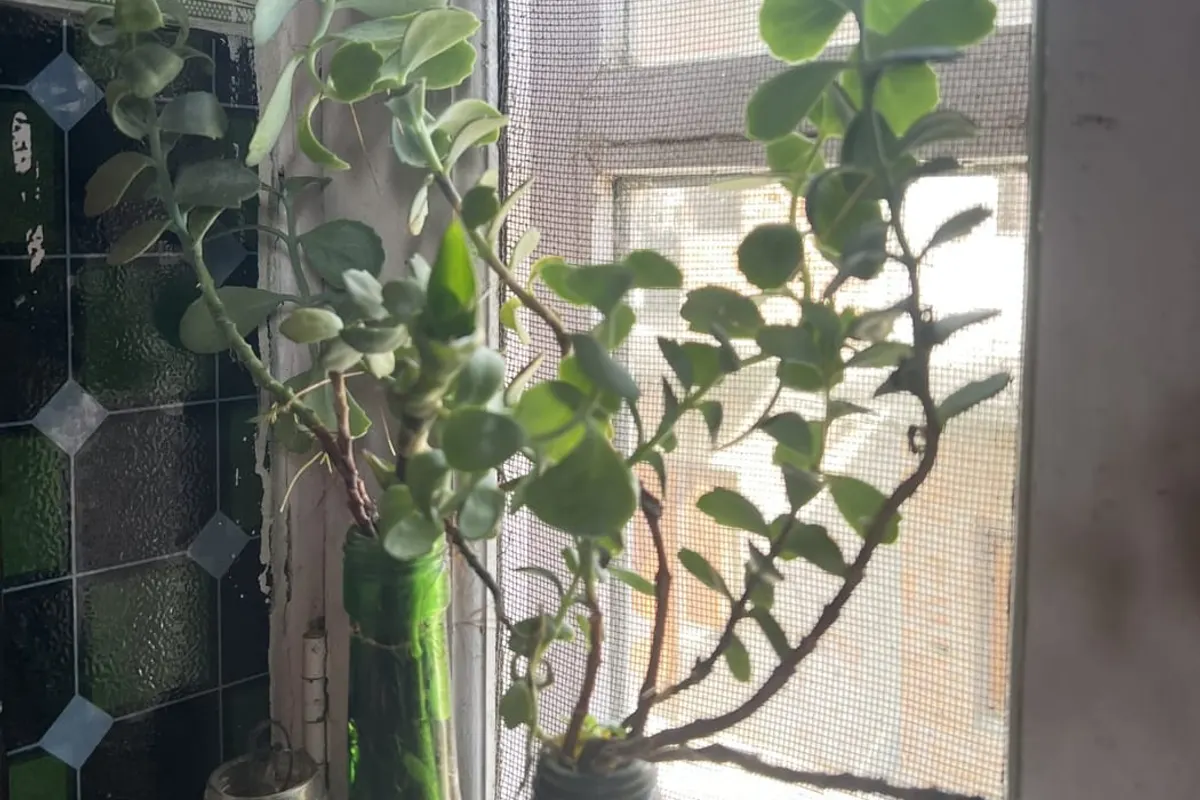
Top photo: Two leafy plants in glass bottles on a windowsill. Photo: Alina Kakshapati, CC0, via WordPress Photo Directory.
The short answer: Hold your hand 12 inches above a sheet of white paper at midday. A sharp shadow means bright light, a soft shadow means medium light, a faint blur means low light, and no shadow means the spot is too dark for any plant.
Plant labels love to say “bright, indirect light.” But what does that look like in your living room? Our eyes adjust so well that a room can look bright to us while giving a plant only a fraction of the light it needs.
There’s a free, 30-second way to find out — and all you need is your hand.
Try it now: our interactive hand-shadow light test walks you through it and tells you which plants will thrive in that exact spot.
How to do the hand shadow test
- Pick the time: around midday, on a clear, sunny day. Turn off lamps.
- Put a sheet of white paper exactly where the plant will sit (on the shelf, floor or table).
- Hold your hand about 12 inches (30 cm) above the paper, between the paper and the window.
- Look at the shadow and compare it to the guide below.
That’s it. Repeat it in every spot you’re considering — you’ll be surprised how much light changes in just a few feet.
What your shadow means
| Shadow | Light level | What grows there |
|---|---|---|
| Sharp and dark, clear finger outlines | Bright / some direct sun | Succulents, cacti, aloe, jade, ponytail palm |
| Soft but clearly visible, fuzzy edges | Medium (bright indirect) | Most houseplants: pothos, monstera, spider plant, peperomia |
| Faint blur, you can barely see it | Low light | ZZ plant, snake plant, cast iron plant, parlor palm |
| No shadow at all | Too dark | Nothing long-term — add a grow light |
Why light matters more than anything else
Light is a plant’s food. Water and fertilizer are just ingredients; without enough light, a plant can’t use them. That’s why so many plant problems — yellow leaves, leggy stems, no new growth, soil that never dries — actually start with a spot that’s too dark.
It also changes how you water. A plant in low light drinks slowly, so the soil stays wet longer. If you water it like a plant in a sunny window, the roots rot. How often to water, by light level →
Things that change your result
- Distance from the window. Light fades fast. A plant 6 feet (2 m) away from a window can get a tenth of the light on the windowsill.
- Window direction. In the US, south- and west-facing windows get the most sun and north-facing ones the least. In Australia it’s flipped: north-facing windows are the sunny ones and south-facing windows are dim.
- Season. The sun is lower in winter. A medium spot in July can become low light in December in the US (and in June in Australia). Repeat the test when the seasons change.
- Obstacles. Trees, balconies, buildings next door, sheer curtains and dirty glass all cut light.
Signs your plant disagrees with the test
Plants are the final judges. Move a plant closer to the light if you see:
- Long, stretched stems with big gaps between leaves
- New leaves smaller than old ones
- Variegated leaves turning plain green
- The whole plant leaning toward the window
And move it back a little if you see bleached, pale or crispy brown patches on the side facing the window — that’s sunburn.
The shadow test in numbers
If you’d like to compare your result with a light meter app or a plant label, these are the ranges commonly used for houseplants. Phone apps vary a lot, so treat them as ballpark figures:
| Shadow | Light level | Foot-candles | Lux |
|---|---|---|---|
| Sharp and dark | Bright / some direct sun | 1,000+ | 10,000+ |
| Soft but clear | Medium (bright indirect) | 250–1,000 | 2,500–10,000 |
| Faint blur | Low | 50–250 | 500–2,500 |
| No shadow | Too dark | Under 50 | Under 500 |
For comparison, a typical office under ceiling lights is only around 30–50 foot-candles — which is why so many desk plants slowly fade.
Window by window (US homes)
| Window faces | Sun it gets | Right at the window | 3–6 feet back |
|---|---|---|---|
| South | Most hours of sun, strongest in winter | Bright — succulents, cacti, jade | Medium — most houseplants |
| West | Hot afternoon sun | Bright — can scorch leafy plants in summer | Medium |
| East | Gentle morning sun | Medium-bright — ideal for most houseplants | Medium to low |
| North | No direct sun | Medium to low | Low |
In Australia, swap north and south: a north-facing window is the sunny one.
How the seasons change your result
- Winter: days are shorter and the sun is weaker, so a spot that was medium in July can test low in December. But the low winter sun also reaches deeper into south-facing rooms — a plant 6 feet back may suddenly get direct rays for an hour.
- Summer: a west window that was fine in spring can scorch leaves pressed against hot glass. Move sensitive plants back a foot or two.
- Trees and neighbors: a leafy tree outside can turn a bright window into a medium one from May to October, then bright again when the leaves fall.
Test each spot twice a year: once in summer and once in winter.
Common mistakes with the test
- Testing in the morning or late afternoon. The sun is low and the shadow looks longer and softer. Midday gives a fair reading.
- Testing on a cloudy day. Everything reads a level darker.
- Holding your hand too close to the paper. Even weak light makes a sharp shadow from an inch away. Keep it about 12 inches up.
- Lamps on. Room lighting adds a second, confusing shadow.
- Testing the windowsill when the plant will live on the coffee table. Test the exact spot.
Grow lights: the numbers that matter
If the spot failed the test, a grow light fixes it. What makes the difference:
| Setting | Starting point |
|---|---|
| Bulb type | Full-spectrum LED (white light is fine; purple isn’t necessary) |
| Distance from leaves | 12–24 inches for a bulb in a lamp; follow the maker’s guidance for panels |
| Hours per day | 10–12, on an outlet timer |
| Signs it’s too strong or close | Bleached or crispy spots on the top leaves |
| Signs it’s too weak or far | Stretching toward the light, small new leaves |
Plants also need darkness. Don’t leave grow lights on 24 hours a day.
Tricky spots
- Skylights: light comes from above, so hold your hand between the skylight and the paper. Skylit rooms often test medium to bright even far from the walls.
- Frosted or textured glass: it spreads light out, so shadows look softer than the light really is. If the shadow is soft but the room feels very bright, read it as medium-bright.
- Covered balconies and porches: the roof blocks overhead sun. Test where the pot will sit, not at the railing.
- Sheer curtains: they cut harsh sun but keep plenty of light. A south window behind a sheer is a great medium spot for monstera and pothos.
- Glass doors and big windows: a floor-to-ceiling window lights the floor far deeper into the room than a small window at counter height. Test at plant height.
- Rooms painted dark: dark walls absorb light; the same window gives less usable light than in a white room.
What if my spot is too dark?
You have two good options:
- Choose a tough low-light plant and accept slow growth. Here are the 10 best plants for dark apartments.
- Add a grow light. A full-spectrum LED bulb in a regular lamp, on a timer for 10–12 hours a day, turns a dark corner into a perfectly good plant spot.
Ready to test your own space? Open the interactive hand-shadow light test — it takes 30 seconds and recommends plants for your result. Then use the watering calculator to set a routine that matches your light.
Plants in this guide
Quick answers
Is a bathroom with a small window bright enough for plants?
Often it's medium to low. Do the test at midday: a soft shadow is fine for ferns and pothos; a faint blur suits a cast iron plant or ZZ plant; no shadow needs a grow bulb.
Do plants need direct sun?
Most houseplants don't. They prefer bright, indirect light. Succulents, cacti, jade plants and herbs are the exceptions and do best with a few hours of direct sun.
How do you do the hand shadow test for plants?
Around midday on a sunny day, place a sheet of white paper where the plant will sit and hold your hand about 12 inches (30 cm) above it. A sharp shadow means bright light, a soft shadow means medium light, a faint blur means low light, and no shadow means it's too dark.
What does bright indirect light look like?
A bright room where the sun doesn't fall directly on the plant. In the hand shadow test it shows up as a soft but clearly visible shadow with fuzzy edges.
Can I do the hand shadow test on a cloudy day?
You can, but every spot will read about one level darker than it really is. For an accurate result, test at midday on a clear day.
Sources
- Royal Horticultural Society — Houseplants
- UF/IFAS Gardening Solutions — Houseplants
- NC State Extension Plant Toolbox — Zamioculcas zamiifolia
Checked November 9, 2026. Spotted an error? Tell us — see our editorial policy.
Pin it to your plant board so you can find it when you need it.
Save to PinterestKeep reading
More Plant Care Basics →
How often to water houseplants
Watering on a schedule kills more houseplants than anything else. Learn the 10-second finger test, how much water to give and how seasons change it.
Plant Care Basics
A watering chart for 24 plants
A printable watering chart for 24 popular houseplants: when the soil should be dry, how many days in summer vs. winter, and which plants are toxic to pets.
Plant Care Basics
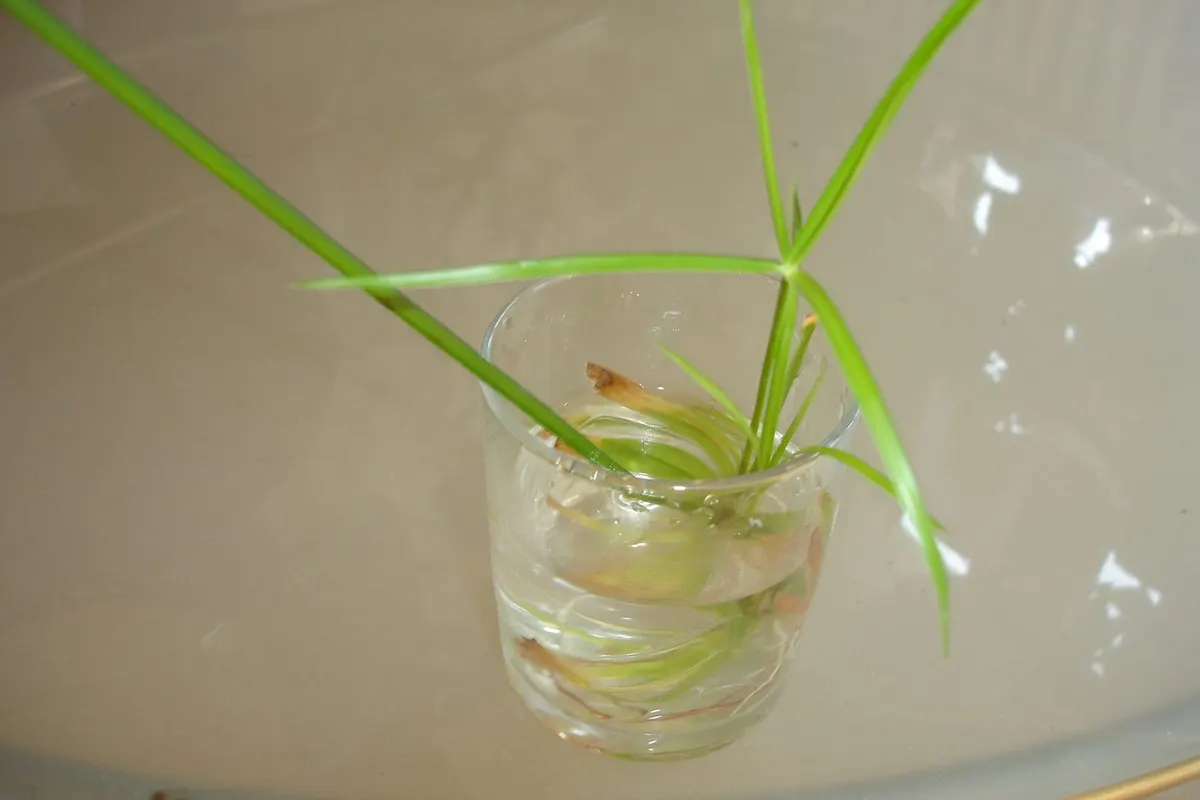
Propagating pothos in water
Turn one pothos into many. Where to cut, how long roots take, when to move cuttings to soil and how to make a fuller, bushier plant.
Plant Care Basics
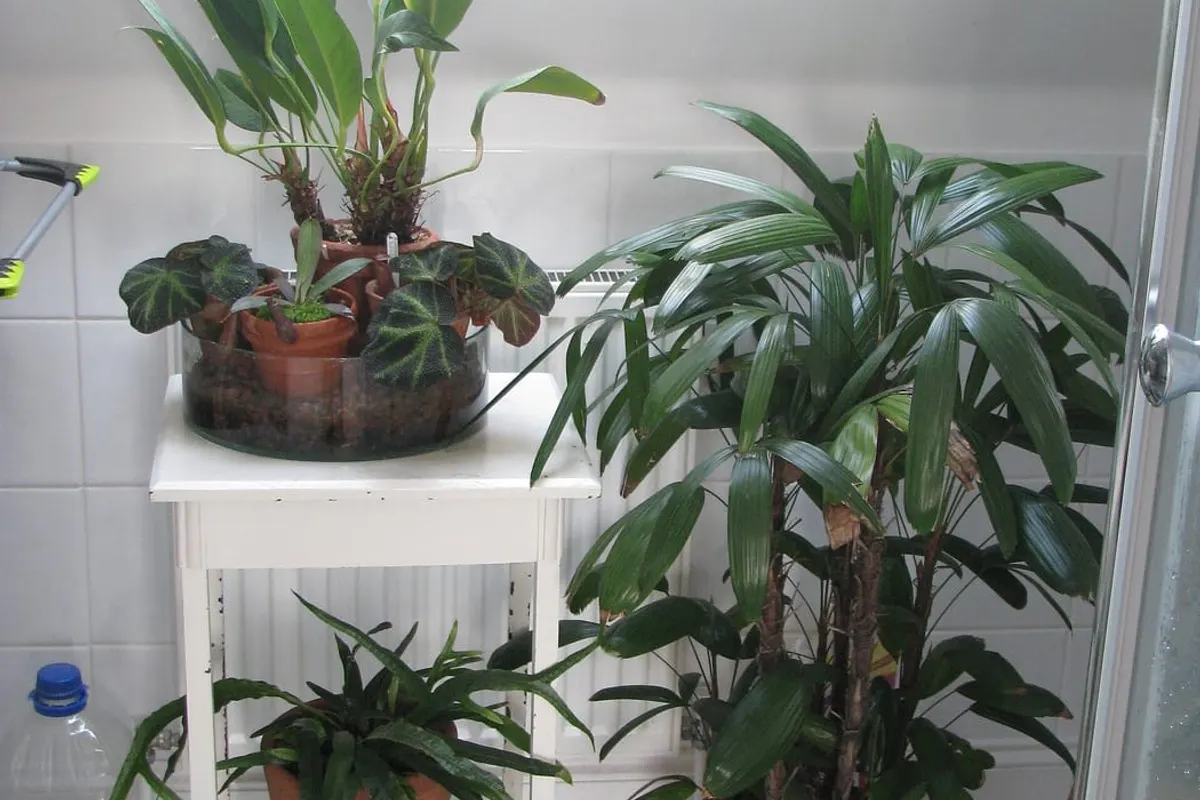
Plants for a bathroom
Pick bathroom plants by how much light you have: ferns and calatheas for bright bathrooms, cast iron plants for dim ones — and what to do in a bathroom with no window.
Indoor Plants
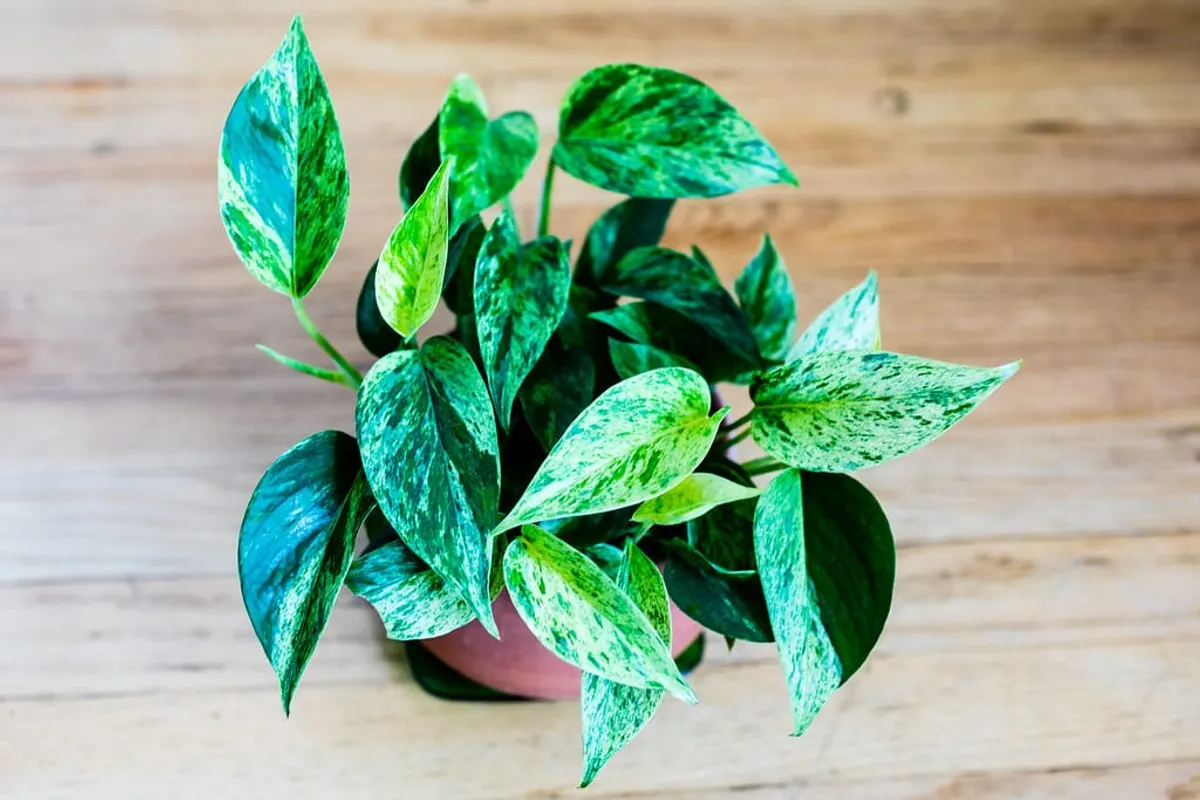
Why pothos leaves turn yellow
Yellow pothos leaves are a message. Learn to read the pattern — soft, crispy, old or new leaves — and fix overwatering, light, roots and more.
Plant Problems
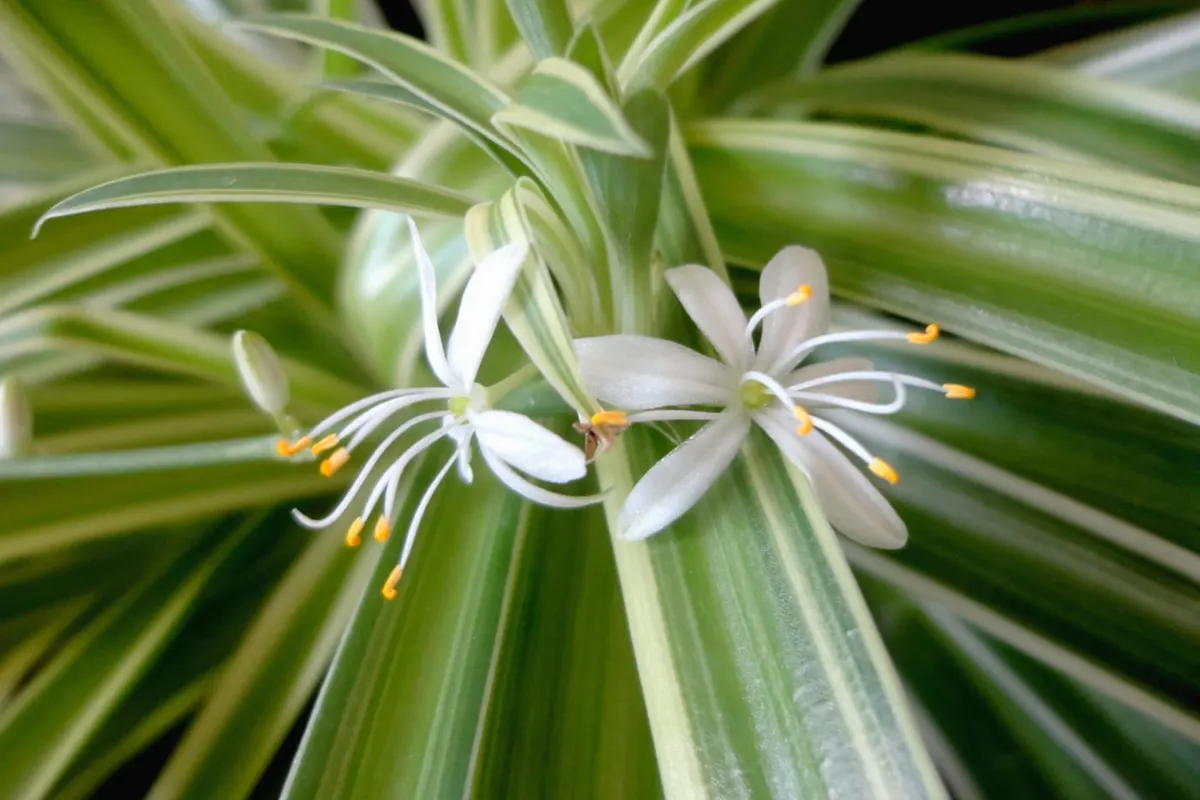
15 pet-safe houseplants
Non-toxic houseplants that are safe for cats and dogs, organized by how much light you have — from dark corners to sunny windows.
Pets & Plants