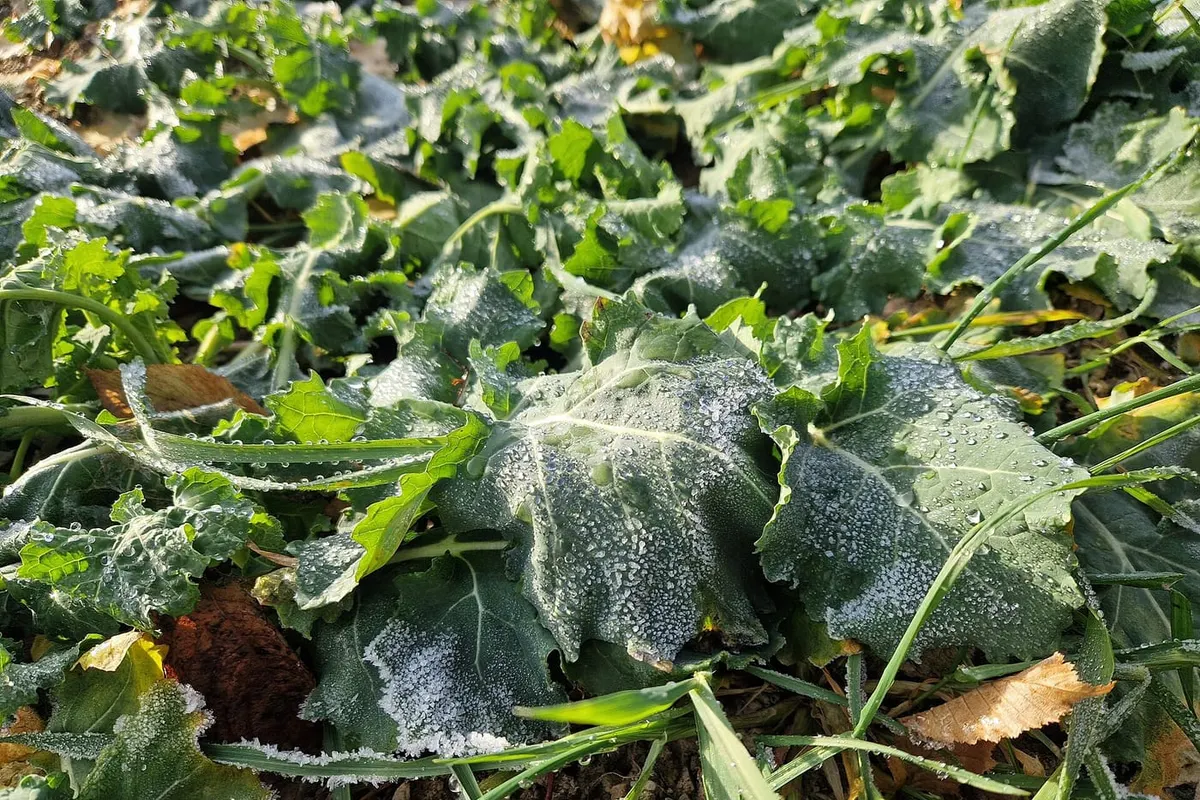
When to bring plants inside
Tropical houseplants should come in when nights drop below 50–55°F, well before frost. A temperature chart by plant type and a 5-step bug-check list.
Garden
The Instagram plant. Big split leaves, fast growth, and easier than it looks.
Monstera deliciosa · also called Swiss cheese plant
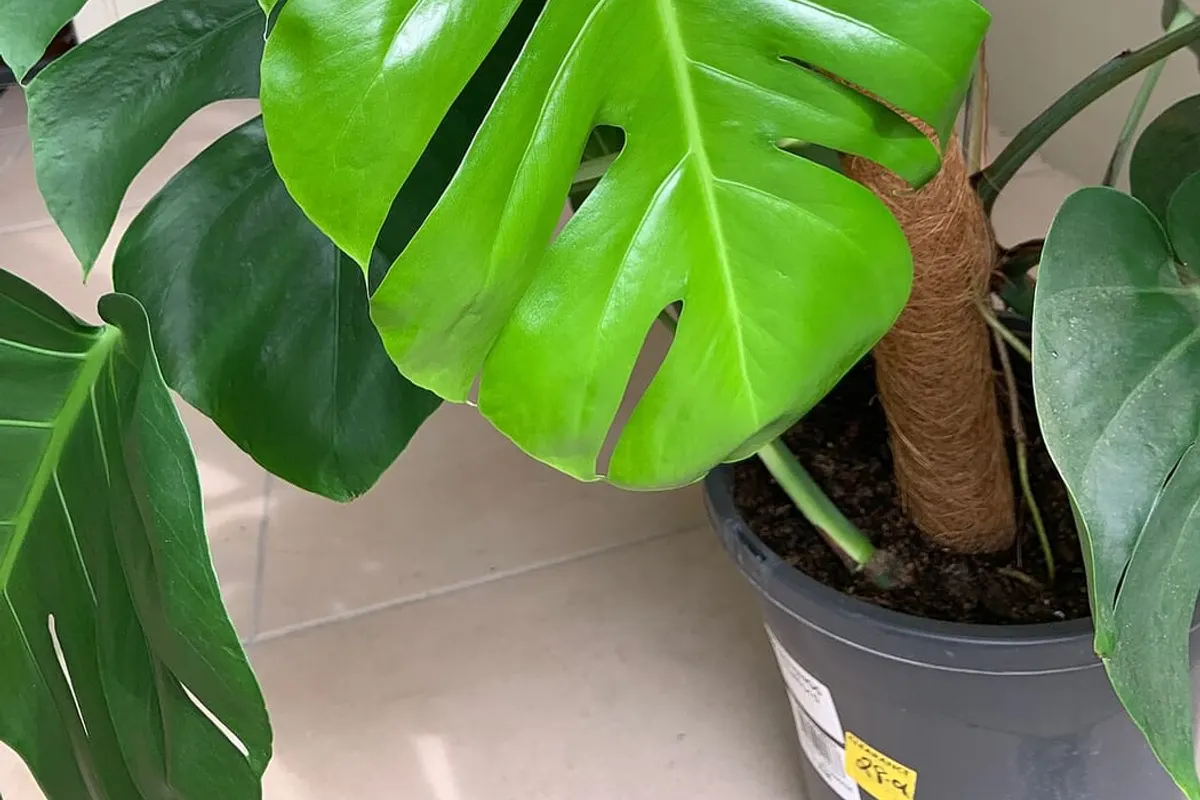
A new Monstera deliciosa leaf indoors, next to a moss pole. Photo: Kittykittymaomao, CC BY-SA 4.0, via Wikimedia Commons.
Monstera tolerates: medium / indirect, bright indirect or some sun. Put it within a few feet of a window; a dark corner will make it weak and leggy.
Water when the top 2–3 inches are dry, roughly every 1–2 weeks.
Toxic to cats and dogs (calcium oxalates). Keep it on a high shelf or in a room pets can’t reach — or pick a pet-safe plant instead. Source: ASPCA toxic and non-toxic plant list.
Typical size indoors: 3–8 ft (1–2.5 m) indoors. Humidity: normal household humidity is fine; avoid heater vents.
Tropical houseplants should come in when nights drop below 50–55°F, well before frost. A temperature chart by plant type and a 5-step bug-check list.
Garden
Feed most houseplants once a month in spring and summer at half strength, and not at all in winter. A dilution chart, what N-P-K means and signs of too much.
Plant Care Basics
Lift the pot: heavy means wait, light means water. How to calibrate the lift test with a kitchen scale in two days, plus a worked example with real numbers.
Plant Care Basics
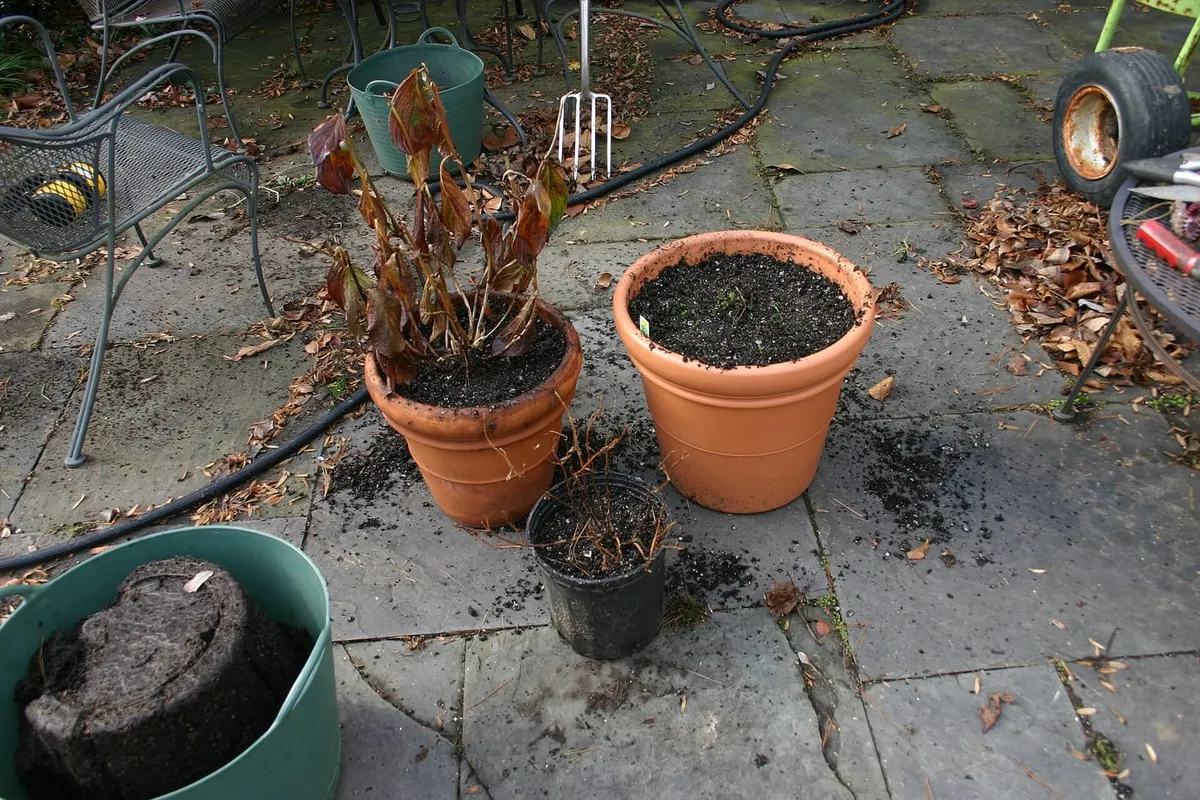
Roots out the bottom? It's time. A pot size chart for going up one size, the 5 signs a plant needs repotting, the best time of year and a step-by-step method.
Plant Care Basics
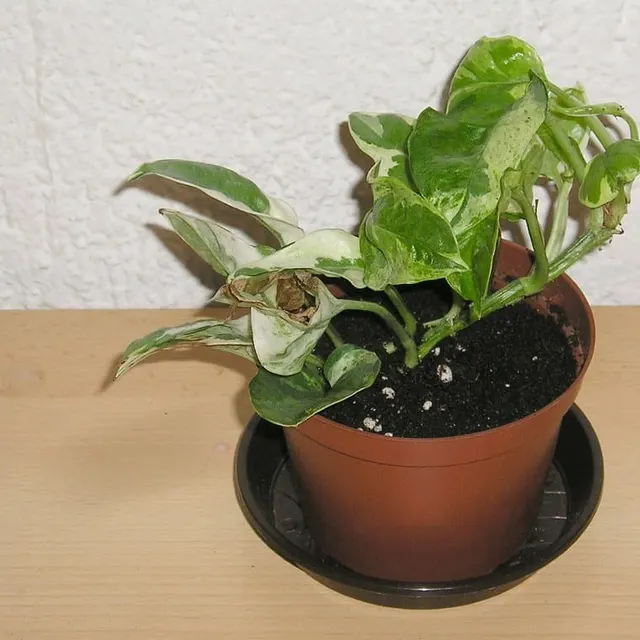
The classic "can’t kill it" vine. Grows in almost any light, tells you when it is thirsty, and roots in a glass of water.
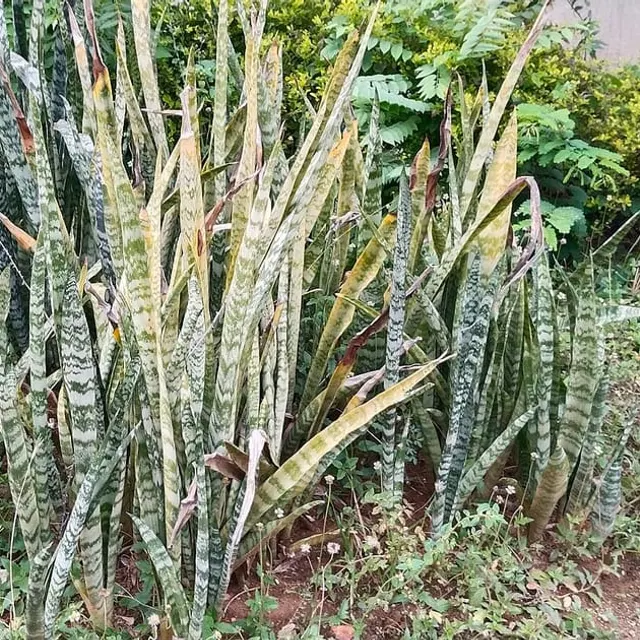
Thrives on neglect. The number-one way to kill it is love — meaning too much water.
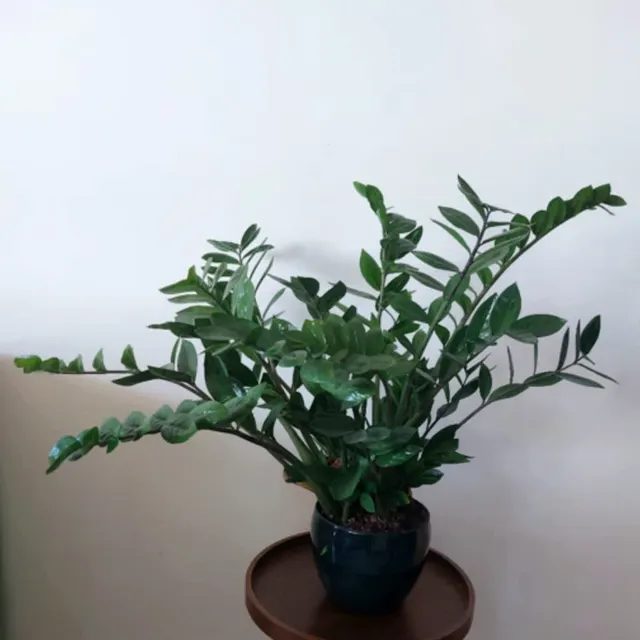
Glossy, almost plastic-looking leaves that tolerate dark offices, dry air and forgetful owners.