When to bring plants inside
Tropical houseplants should come in when nights drop below 50–55°F, well before frost. A temperature chart by plant type and a 5-step bug-check list.
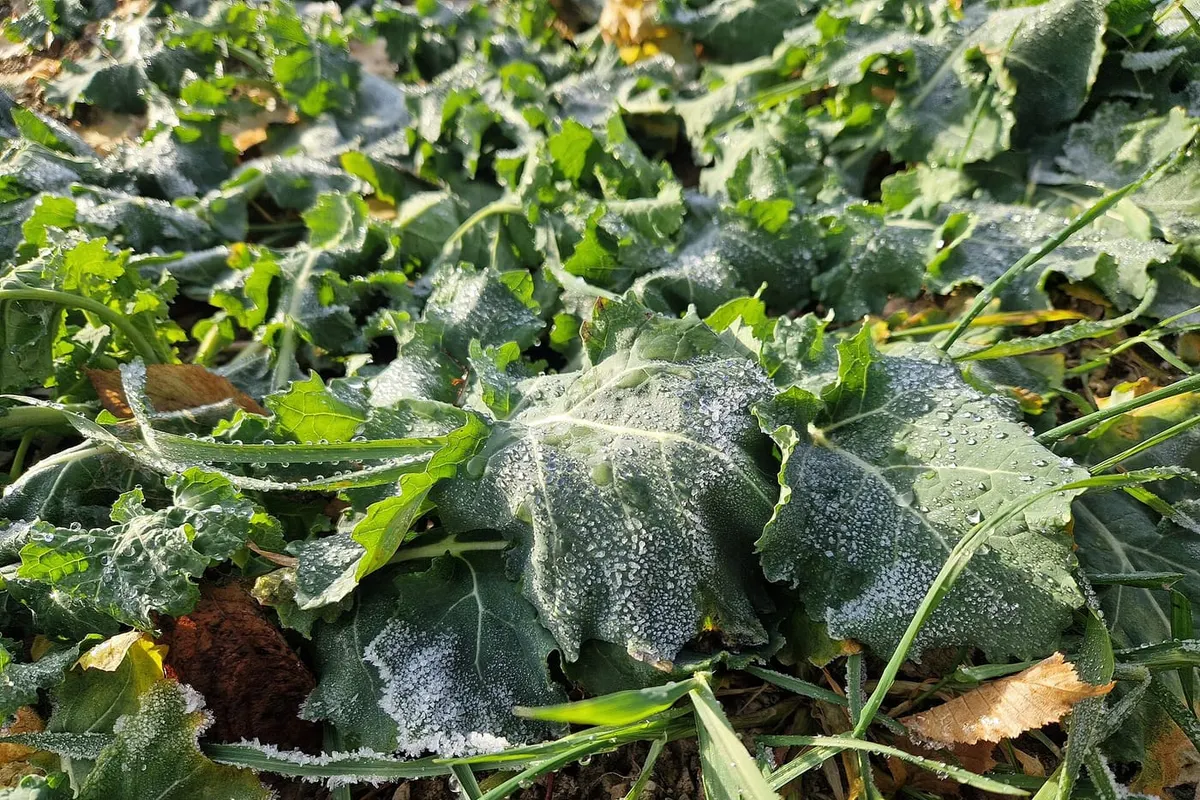
Top photo: Frost on leafy plants in a field. Photo: Gerda Arendt, CC0, via Wikimedia Commons.
Bring tropical houseplants inside when nighttime lows are forecast to drop below about 50–55°F — weeks before the first frost. Hardy succulents can wait until the low 40s. Don’t use frost (32°F) as your signal: by then, many tropicals have already been damaged.
Check the 10-day forecast for your ZIP code on the National Weather Service site, and plan the move for a dry day.
Temperature chart by plant type
| Plant type | Bring inside when nights drop below | Examples |
|---|---|---|
| Very cold-sensitive tropicals | 55°F | Calathea, Chinese evergreen, caladium, croton |
| Most tropical houseplants | 50°F | Monstera, pothos, philodendron, peace lily, spider plant, money tree |
| Tough foliage plants | 45°F | Snake plant, ZZ plant, cast iron plant, parlor palm |
| Succulents & cacti | 40°F | Jade plant, aloe, ponytail palm, Christmas cactus |
| Before any frost (32°F) | Everything not rated for your USDA zone | Potted citrus, geraniums, hibiscus |
In most of the northern US, nights hit the low 50s in September; in the South and along the West Coast, often not until October or November. Your USDA hardiness zone tells you how cold your winters get, but the forecast tells you when to move the pots.
5-step checklist so you don’t bring bugs in
- Inspect leaf undersides, stems and the soil surface for spider mites, aphids, mealybugs and scale.
- Rinse the whole plant with a hose (gentle spray), including leaf undersides.
- Check the pot — slugs, ants and earwigs hide under pots and in drainage holes. Soak the pot in a bucket of water for 15 minutes to flush out soil critters.
- Quarantine in a separate room for two weeks before it joins your other houseplants.
- Trim leggy or damaged growth now, so the plant doesn’t spend winter feeding it.
Help it adjust to indoor life
Outside, even shade is brighter than most rooms. Expect some yellowing and leaf drop in the first 2–3 weeks. To soften the shock:
- Bring it in gradually if you have time: a few days on a covered porch first.
- Give it your brightest spot — near a south- or west-facing window. Not sure how bright a spot is? Try the hand-shadow light test.
- Water less. Indoors in winter, plants use far less water than outside in summer. Check the soil first; the watering chart has typical winter ranges.
- Keep it away from heater vents and cold, drafty doors.
- Skip fertilizer until spring.
Plants that can stay out
Hardy perennials, shrubs and trees in the ground are rated for your zone and stay put. Containers are a different story: roots in a pot are much more exposed to cold than roots in the ground. In zones 6 and colder, move potted perennials against the house or into an unheated garage once they go dormant.
Plants in this guide
Quick answers
Should I wait for the first frost to bring plants in?
No. Frost is 32°F, but most tropical houseplants are damaged by cold well above that — many below 50°F. Bring them in when the forecast shows nights in the low 50s.
Why are leaves dropping after I brought my plant inside?
It's adjusting to much lower light indoors. Some leaf drop in the first two or three weeks is normal. Put it in the brightest spot you have and water less than you did outside.
Sources
Checked November 9, 2026. Spotted an error? Tell us — see our editorial policy.
Pin it to your plant board so you can find it when you need it.
Save to PinterestKeep reading
More Garden →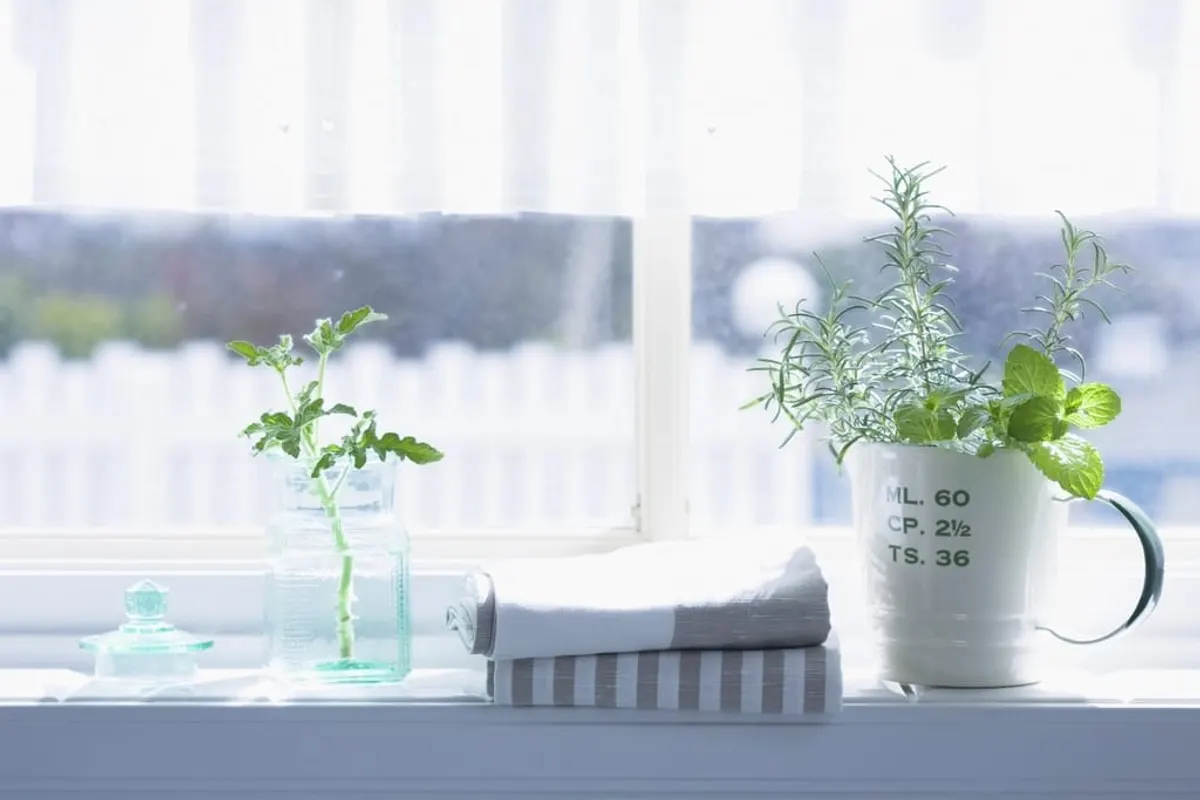
Herbs for a windowsill
Herbs need more light than houseplants: most want 6+ hours of sun. Which herbs work on a windowsill, which need a grow light, and which are safe around pets.
Garden
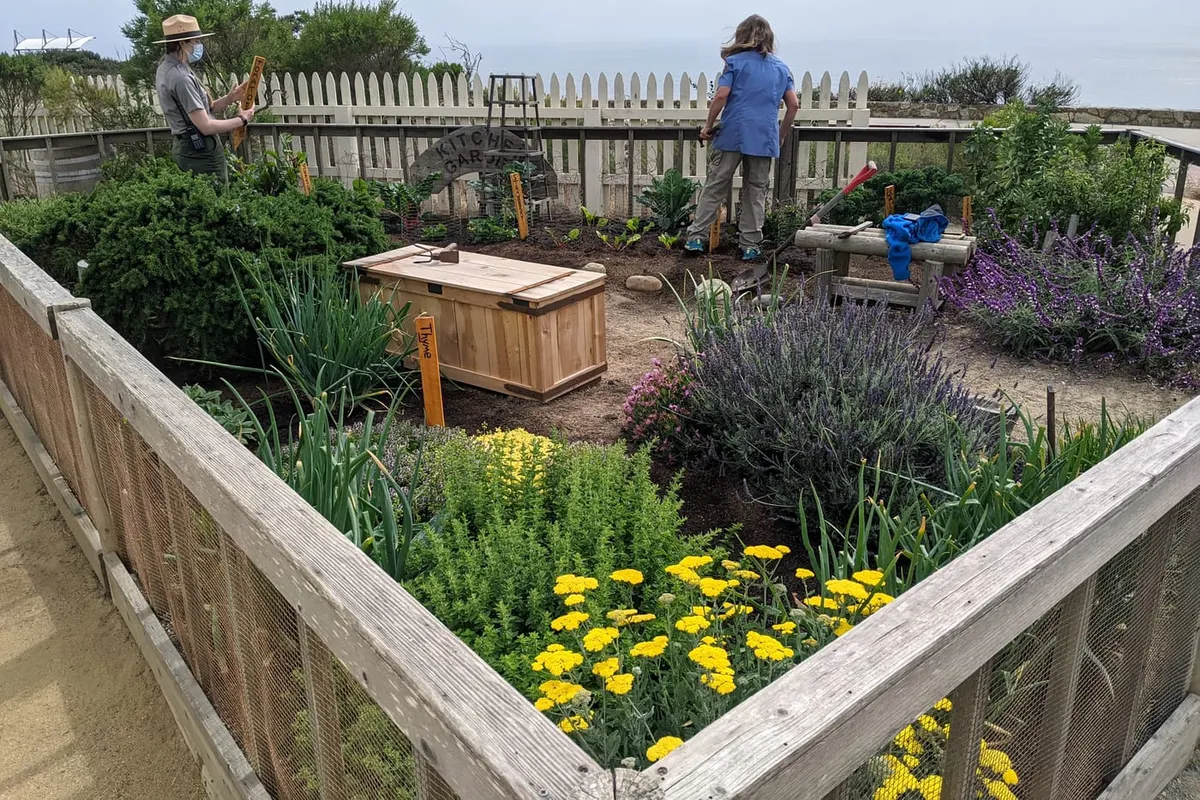
What to plant, month by month
A simple month-by-month vegetable planting calendar for the US and Australia. Seasons are flipped, so every month is listed for both hemispheres.
Garden
When to repot, and what size
Roots out the bottom? It's time. A pot size chart for going up one size, the 5 signs a plant needs repotting, the best time of year and a step-by-step method.
Plant Care Basics
Why pothos leaves turn yellow
Yellow pothos leaves are a message. Learn to read the pattern — soft, crispy, old or new leaves — and fix overwatering, light, roots and more.
Plant Problems
How often to water houseplants
Watering on a schedule kills more houseplants than anything else. Learn the 10-second finger test, how much water to give and how seasons change it.
Plant Care Basics
Overwatered or underwatered?
Both make leaves droop and turn yellow. Check the soil, the leaf texture and the roots to tell overwatering from underwatering — and fix each one.
Plant Problems