Overwatered or underwatered?
Both make leaves droop and turn yellow. Check the soil, the leaf texture and the roots to tell overwatering from underwatering — and fix each one.
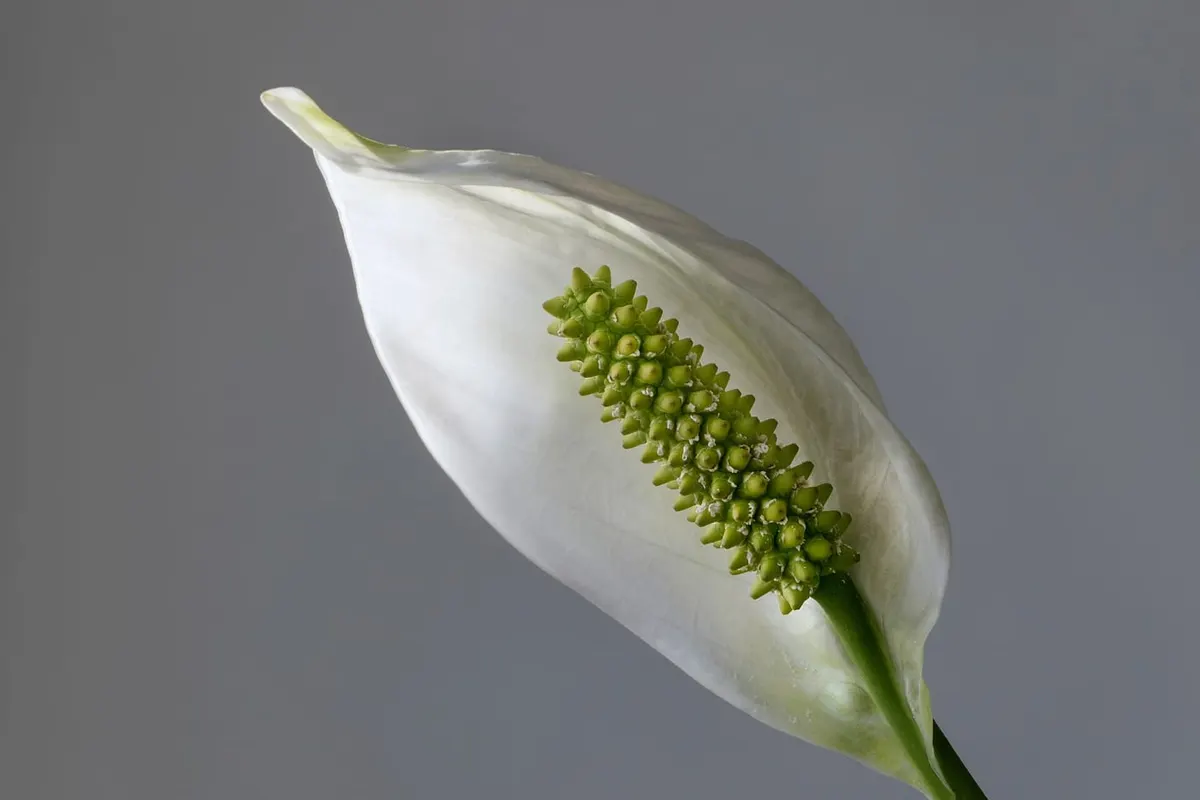
Top photo: Close-up of a white peace lily bloom. Photo: W.carter, CC BY-SA 4.0, via Wikimedia Commons.
Droopy leaves + wet soil = overwatered. Droopy leaves + dry soil = underwatered. Before you add a single drop, push a finger 2 inches into the soil: that one check tells you which problem you have.
It matters because the two fixes are opposite. Watering an overwatered plant is the fastest way to kill it — and it’s exactly what most people do, because a drowning plant looks thirsty.
Side by side
| Check | Overwatered | Underwatered |
|---|---|---|
| Soil 2 in. down | Wet or soggy, days after watering | Dry, dusty, pulling away from the pot |
| Pot weight | Heavy | Light |
| Leaf texture | Soft, limp, sometimes translucent | Crispy, dry, curling |
| Yellowing | Lower leaves first, often several at once | Leaves yellow then brown and crunchy |
| Leaf edges | Brown patches with yellow halos | Dry brown tips and edges |
| Stems | Mushy or dark near the soil | Thin, shriveled, but firm |
| Smell | Sour, swampy | None |
| Bugs | Fungus gnats flying around | Rarely |
| After you water | Gets worse | Perks up within hours |
The 2-minute diagnosis
- Finger test (30 seconds). Wet? Go to step 2. Dry? It’s thirst — water thoroughly and you’re done.
- Lift the pot (10 seconds). Heavy and wet means water isn’t leaving the soil. How the lift test works →
- Check the drainage hole (10 seconds). Is the pot sitting in a saucer of water, or is there no hole at all? That’s your cause.
- Look at the roots (1 minute). Slide the plant out. White or tan and firm = healthy, just let it dry. Brown, mushy, smelly = root rot.
Fixing an overwatered plant
- Stop watering until the top 2–3 inches are dry.
- Empty saucers and make sure there’s a drainage hole.
- Move it to brighter light (not harsh sun) so it uses water faster.
- If roots are rotten: trim every mushy root with clean scissors, repot into fresh, dry mix in a pot only as big as the remaining roots, and water lightly once. Repotting step by step →
- Don’t fertilize until you see new growth.
Fixing an underwatered plant
- Water slowly and deeply until water runs out the bottom.
- If water runs straight through, the soil has dried into a hard lump. Set the pot in a bowl of water for 20–30 minutes, then drain.
- Trim crispy leaves — they won’t recover, but new ones will grow.
- Set a reminder based on the plant: the watering chart lists typical days for 24 plants.
Plants that fool people
| Plant | Why it confuses |
|---|---|
| Peace lily | Wilts dramatically when dry, but also wilts when roots rot. Check the soil every time. |
| Pothos | Yellow leaves almost always mean too much water. The 7 causes → |
| Fiddle leaf fig | Brown spots in the middle of leaves usually mean overwatering, not thirst. |
| Snake plant & ZZ | Wrinkled leaves can mean thirst or rotted roots that can’t drink. Look at the base. |
When in doubt, wait a day. A slightly thirsty plant bounces back fast; a drowned one often doesn’t.
Plants in this guide
Quick answers
Can a plant be overwatered and still look thirsty?
Yes. When roots rot from sitting in wet soil, they can't take up water, so the leaves droop exactly like a thirsty plant. That's why you check the soil before watering.
How long does it take an overwatered plant to recover?
If the roots are still white and firm, a plant usually perks up within one to two weeks of letting the soil dry. If roots have rotted, it can take a month or more after trimming and repotting.
Sources
- Royal Horticultural Society — Houseplants
- UF/IFAS Gardening Solutions — Houseplants
- NC State Extension Plant Toolbox — Spathiphyllum
Checked November 9, 2026. Spotted an error? Tell us — see our editorial policy.

Pin it to your plant board so you can find it when you need it.
Save to PinterestKeep reading
More Plant Problems →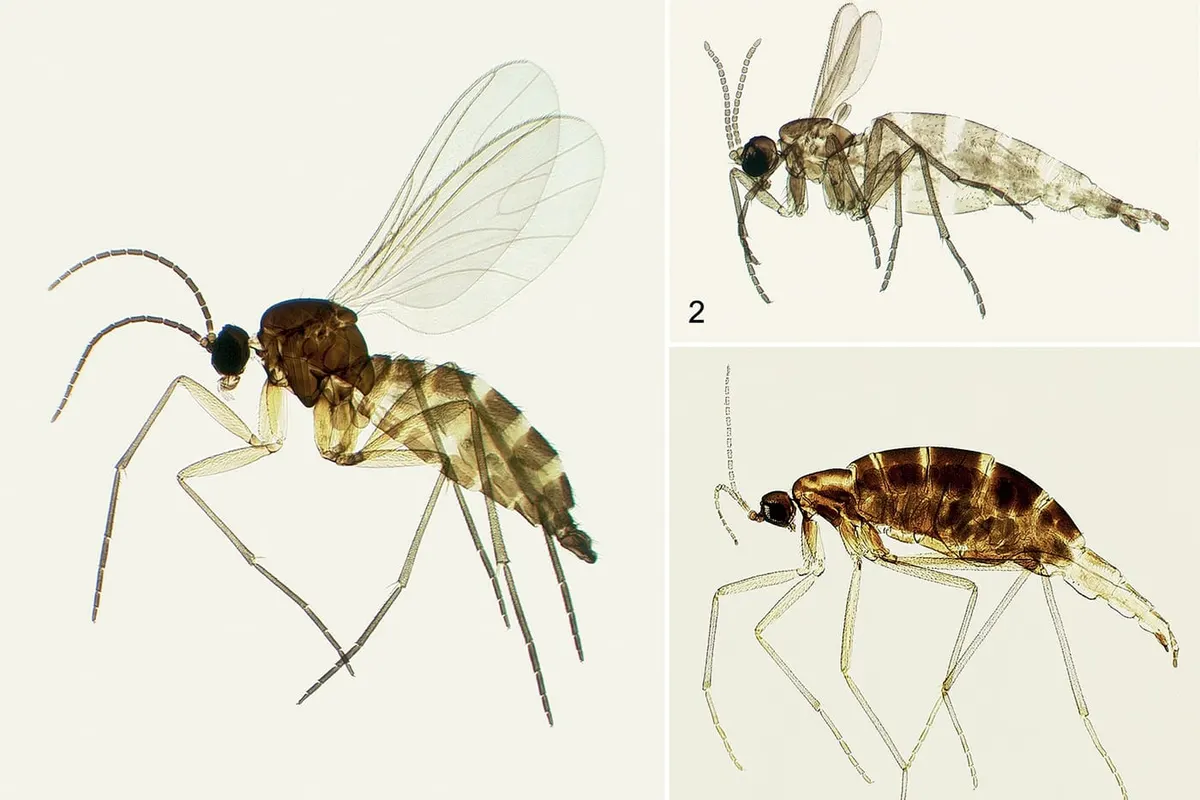
Getting rid of fungus gnats
Tiny black flies around your plants? They're fungus gnats. Here's the 5-step plan that breaks their life cycle — and the one habit that keeps them away.
Plant Problems
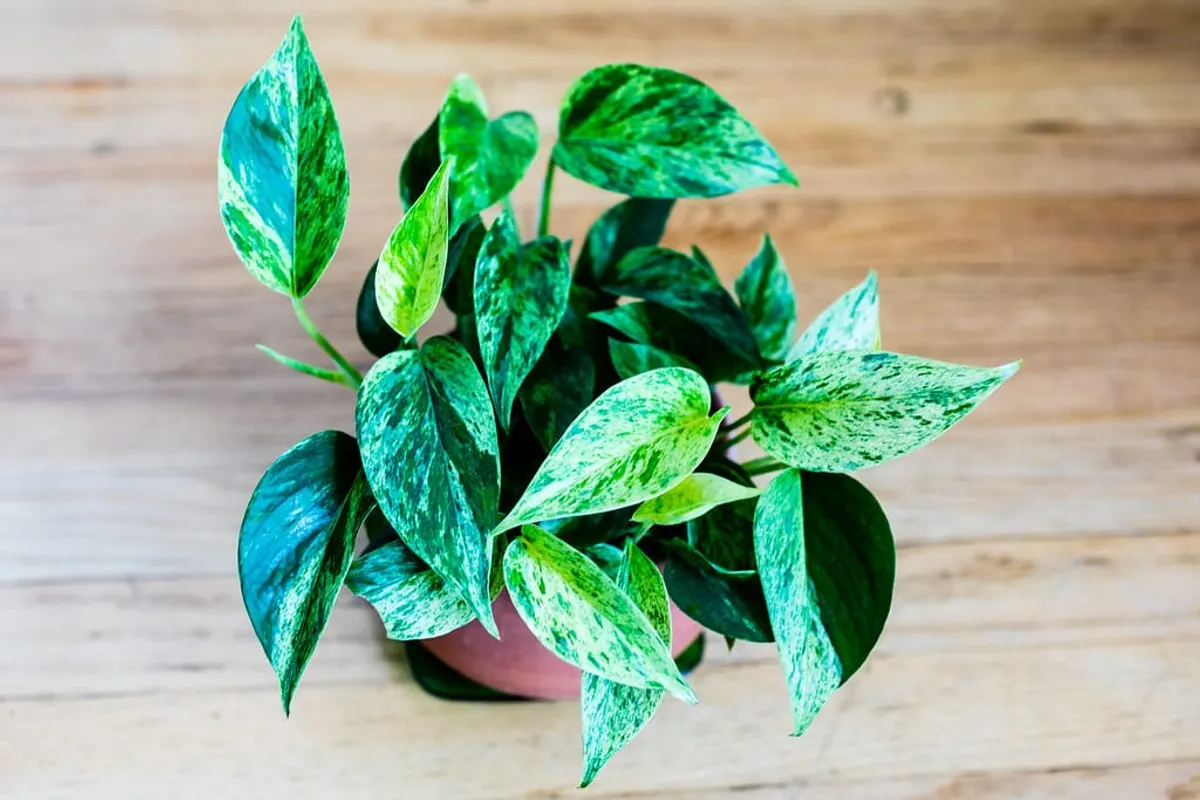
Why pothos leaves turn yellow
Yellow pothos leaves are a message. Learn to read the pattern — soft, crispy, old or new leaves — and fix overwatering, light, roots and more.
Plant Problems
Brown tips on leaves
Crispy brown tips are usually dry soil, dry air, or salts and fluoride in tap water. How to tell which one by the pattern, and which plants are most sensitive.
Plant Problems
The hand-shadow light test
The free 30-second trick plant pros use: read your hand's shadow to know if a spot has bright, medium or low light — and which plants will thrive there.
Plant Care Basics
10 plants for dark apartments
No sunny windows? These 10 plants grow in low light — plus how to tell how much light you really have and the one mistake people make in dark rooms.
Indoor Plants
Plants for a bathroom
Pick bathroom plants by how much light you have: ferns and calatheas for bright bathrooms, cast iron plants for dim ones — and what to do in a bathroom with no window.
Indoor Plants