Plants that are toxic to cats
Lilies can kill a cat; a poinsettia mostly causes drooling. Here's which houseplants and flowers are truly dangerous for cats, and what to grow instead.
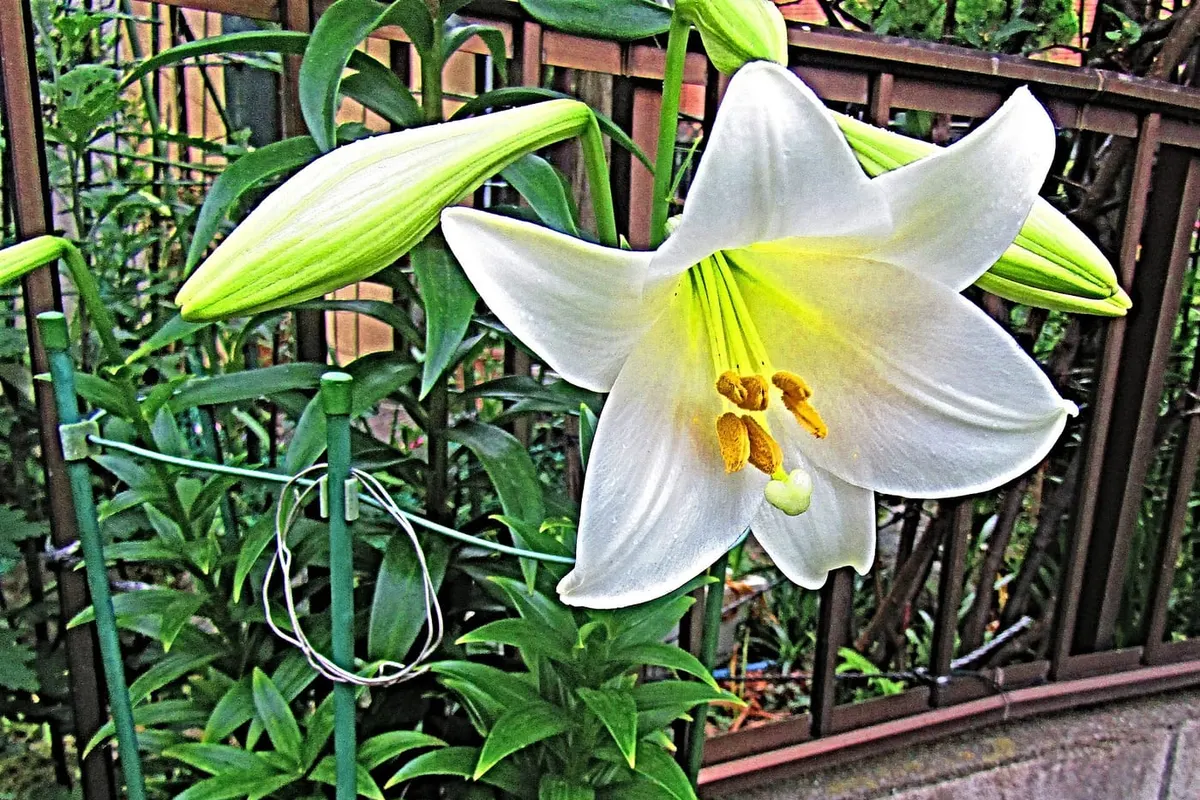
Top photo: White Easter lily (Lilium longiflorum) flowers. Photo: Dandy1022, CC BY-SA 4.0, via Wikimedia Commons.
The short answer: True lilies (Easter, tiger, Asiatic, Stargazer and daylilies) are the most dangerous plants for cats — even pollen can cause kidney failure. Sago palm, oleander and kalanchoe are also emergencies. Most common houseplants, like pothos and monstera, only irritate the mouth.
Cats chew plants. Some do it out of boredom, some for fiber, some just to make eye contact with you while they do it. So if you share your home with a cat, it’s worth knowing which plants are truly dangerous, which ones are mostly irritating, and which are completely safe.
If your cat may have eaten a lily, go to the vet now. Don’t wait for symptoms. ASPCA Animal Poison Control: (888) 426-4435 · Pet Poison Helpline: (855) 764-7661 · Animal Poisons Helpline: 1300 869 738. (Fees may apply.)
This guide uses the ASPCA’s toxic and non-toxic plant lists and veterinary sources. It’s general info, not a diagnosis.
Level 1: Emergency plants (can be deadly)
True lilies and daylilies
Easter lily, tiger lily, Asiatic lily, Stargazer, Oriental lily, daylily — all of them. For cats, these are the most dangerous common plants in the house.
- Every part is toxic: petals, leaves, stems, pollen, even the water in the vase.
- A cat grooming pollen off its fur can be enough.
- Symptoms start with vomiting, drooling and hiding, then kidney failure within 1–3 days.
- With fast treatment, most cats survive. Without it, many don’t.
The safest rule: no lilies in a home with cats. Watch out for bouquets — lilies are in a lot of Mother’s Day, Easter and sympathy arrangements. Ask the florist to leave them out.
Note: peace lilies and calla lilies are not true lilies. They’re irritating (see Level 3), not kidney-toxic.
Sago palm
Common as a patio plant in warm parts of the US and in Australian gardens. All parts are toxic, the seeds most of all, and it can cause liver failure in cats and dogs. Keep pets well away from it.
Oleander, kalanchoe and lily of the valley
These contain heart-affecting compounds (cardiac glycosides). Oleander is a common hedge in the US South, California and Australia. Kalanchoe is a cheap flowering succulent sold everywhere. Signs include vomiting, weakness and an abnormal heart rate. Call a vet.
Level 2: Seriously toxic (call your vet)
- Azaleas and rhododendrons — vomiting, weakness, heart problems.
- Tulip, hyacinth and daffodil bulbs — the bulb is the most toxic part; a big concern for cats that dig in pots.
- Cyclamen — the tuber is the dangerous bit.
- Autumn crocus — not the same as spring crocus; can cause severe organ damage.
Level 3: Irritating (common houseplants)
Many of the most popular houseplants contain insoluble calcium oxalate crystals — microscopic needles that sting the mouth. A cat that bites one usually gets an immediate burning feeling, drools, paws at its mouth and maybe vomits. Serious harm is rare because the pain stops them eating much, but it’s miserable for your cat and worth avoiding.
| Plant | Problem |
|---|---|
| Pothos | Calcium oxalates: drooling, vomiting |
| Heartleaf philodendron | Calcium oxalates |
| Monstera | Calcium oxalates |
| Peace lily | Calcium oxalates (not a true lily) |
| ZZ plant | Calcium oxalates |
| Dieffenbachia (dumb cane) | Calcium oxalates — can cause throat swelling |
| Chinese evergreen | Calcium oxalates |
| Snake plant | Saponins: nausea, vomiting |
| Aloe vera | Vomiting, diarrhea, lethargy |
| Jade plant | Vomiting, wobbliness |
| Dracaena | Vomiting, drooling, dilated pupils |
| English ivy | Vomiting, diarrhea |
| Fiddle leaf fig & rubber plant | Irritating sap |
The overhyped one: poinsettia
Every December, poinsettias get treated like poison. In reality, they’re mildly toxic: the milky sap can cause drooling, mouth irritation and an upset stomach. Keep it out of reach, but don’t panic if your cat takes a nibble.
12 cat-safe swaps
Love the look of a toxic plant? There’s usually a safe alternative.
| Instead of… | Grow… |
|---|---|
| Pothos (trailing) | Hoya or string-of-turtles peperomia |
| Snake plant (tough, upright) | Cast iron plant |
| Monstera (big, tropical) | Parlor palm or areca palm |
| Peace lily (flowers in low light) | African violet or moth orchid (Phalaenopsis) |
| Aloe vera (succulent) | Haworthia or echeveria |
| Jade plant (sun, tree-like) | Ponytail palm |
| Chinese evergreen (colorful) | Calathea / prayer plant |
| Rubber plant (glossy) | Peperomia or money tree |
| English ivy | Spider plant in a hanging basket |
| Fern-look toxic plants (asparagus fern) | Boston fern or bird’s nest fern |
Bonus: grow a pot of cat grass (wheat or oat grass) and put it where your cat likes to chew. Many cats leave the other plants alone once they have their own.
How to keep cats away from plants
- Go up. Hanging planters and high shelves solve most problems (cats can jump — think really high, or a closed room).
- Cover the soil with large pebbles or pine cones so it isn’t a litter box or a digging site.
- Citrus peels around the base deter many cats.
- Give them a better option: cat grass, catnip or a window perch near safe plants.
Lily poisoning: what happens and when
According to the U.S. FDA, the first signs usually appear within a few hours: vomiting, drooling, loss of appetite and hiding. Some cats then seem to improve — which is the dangerous part — before kidney failure develops, typically within 1–3 days. The sooner a vet starts treatment, the better the chance of saving the kidneys.
| Time after exposure | What you may see |
|---|---|
| 0–6 hours | Vomiting, drooling, not eating, hiding |
| 12–24 hours | Some cats seem to improve for a while |
| 24–72 hours | Drinking and urinating more, then less; weakness; kidney failure |
Don’t wait for symptoms. If a cat touched, chewed or licked pollen from a true lily or daylily, call a vet now.
US holiday and occasion plants: quick check
Seasonal plants and bouquets cause a lot of calls to poison lines. Status from the ASPCA lists:
| Occasion | Plant | For cats |
|---|---|---|
| Valentine’s Day, Mother’s Day | Lilies in bouquets | Emergency — remove them |
| Valentine’s Day | Roses | Non-toxic (watch the thorns) |
| Easter | Easter lily | Emergency |
| Spring | Tulip and hyacinth bulbs, daffodils | Toxic (bulbs most of all) |
| Fall, Thanksgiving | Chrysanthemums (mums) | Toxic — vomiting, drooling |
| Fall | Autumn crocus | Severely toxic |
| Christmas | Poinsettia | Mildly toxic |
| Christmas | Amaryllis, mistletoe, holly | Toxic |
| Christmas | Christmas cactus | Non-toxic |
| Year-round gift plant | Kalanchoe | Toxic (heart effects) |
Getting flowers delivered? Ask the florist for a lily-free arrangement — most will swap them for roses, sunflowers or snapdragons.
What to have ready when you call poison control
- The plant’s name — or a photo of it, or a piece in a bag.
- What part and how much your cat may have eaten (leaf, flower, pollen, vase water).
- When it happened, as closely as you can.
- Your cat’s weight and age, and any health problems.
- Symptoms so far.
Write the poison line numbers on the fridge or save them in your phone before you need them.
If your cat keeps chewing plants
Chewing is normal cat behavior, not a sign something is wrong. To redirect it:
- Offer a pot of cat grass (oat or wheat grass) in the cat’s favorite spot.
- Move the plants your cat targets to a room with a closed door or to hanging planters.
- Cover the soil with large stones so pots aren’t litter boxes.
- Play more. Bored indoor cats chew more; two short play sessions a day help.
- Avoid sprays that claim to repel cats unless the label confirms they’re safe for pets and the plant.
If your cat ate a plant
- Take any plant pieces out of its mouth and keep the cat away from the plant.
- Identify the plant — take a photo or bring a piece with you.
- Call your vet or a pet poison line (numbers at the top). Don’t try to make your cat vomit unless a vet tells you to.
- For lilies, sago palm, oleander or kalanchoe: go to the vet even if your cat seems fine.
Want the full list of safe plants for cats and dogs, sorted by light? Here’s our guide to pet-safe houseplants.
Plants in this guide
Quick answers
Can a cat die from eating a peace lily?
It's very unlikely. Peace lilies cause mouth and stomach irritation from calcium oxalate crystals, not kidney failure. Call a vet if your cat has swelling, trouble breathing or keeps vomiting.
Is it safe to have lilies in the house if my cat can't reach them?
It's risky. Cats can reach more places than we expect, and pollen falls on tables and floors and gets groomed off fur. Most vets advise no true lilies at all in a home with cats.
What is the most toxic plant for cats?
True lilies (Lilium) and daylilies (Hemerocallis). Eating a small amount of any part, including pollen or water from the vase, can cause sudden kidney failure in cats. It's a medical emergency.
Is a peace lily toxic to cats?
Yes, but much less than a true lily. Peace lilies contain calcium oxalate crystals that irritate the mouth and cause drooling and vomiting. They do not cause kidney failure.
What should I do if my cat ate a toxic plant?
Remove any plant material from your cat's mouth, take a photo of the plant, and call your vet or a pet poison helpline immediately. Don't try to make your cat vomit unless a vet tells you to.
Sources
- U.S. FDA — Lovely Lilies and Curious Cats: A Dangerous Combination
- ASPCA — Plants Toxic and Non-Toxic to Cats
- ASPCA — Easter Lily
- ASPCA — Poinsettia
Checked November 9, 2026. Spotted an error? Tell us — see our editorial policy.
Pin it to your plant board so you can find it when you need it.
Save to PinterestKeep reading
More Pets & Plants →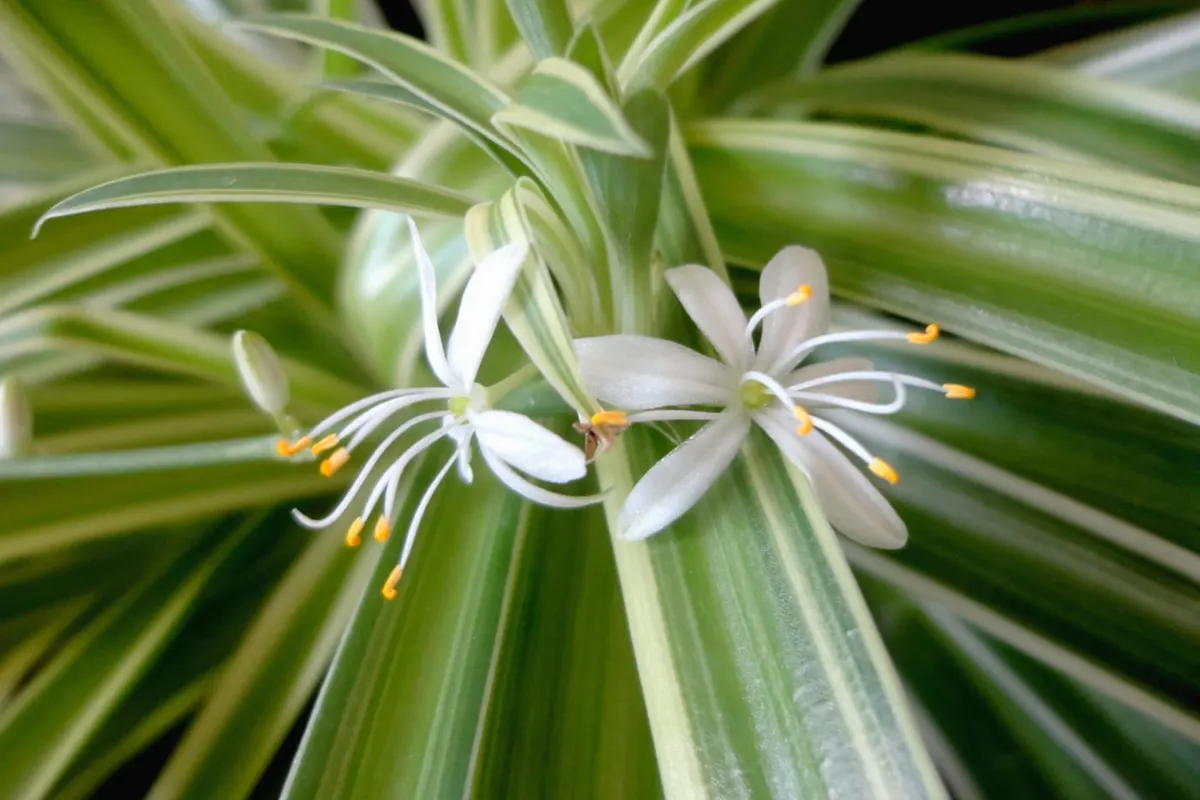
15 pet-safe houseplants
Non-toxic houseplants that are safe for cats and dogs, organized by how much light you have — from dark corners to sunny windows.
Pets & Plants
12 houseplants that are hard to kill
Serial plant killer? These 12 tough houseplants survive low light, missed waterings and dry air — plus the one mistake that still kills them.
Indoor Plants
How often to water houseplants
Watering on a schedule kills more houseplants than anything else. Learn the 10-second finger test, how much water to give and how seasons change it.
Plant Care Basics
A watering chart for 24 plants
A printable watering chart for 24 popular houseplants: when the soil should be dry, how many days in summer vs. winter, and which plants are toxic to pets.
Plant Care Basics
When to bring plants inside
Tropical houseplants should come in when nights drop below 50–55°F, well before frost. A temperature chart by plant type and a 5-step bug-check list.
Garden
Plants for a bathroom
Pick bathroom plants by how much light you have: ferns and calatheas for bright bathrooms, cast iron plants for dim ones — and what to do in a bathroom with no window.
Indoor Plants