What to plant, month by month
A simple month-by-month vegetable planting calendar for the US and Australia. Seasons are flipped, so every month is listed for both hemispheres.
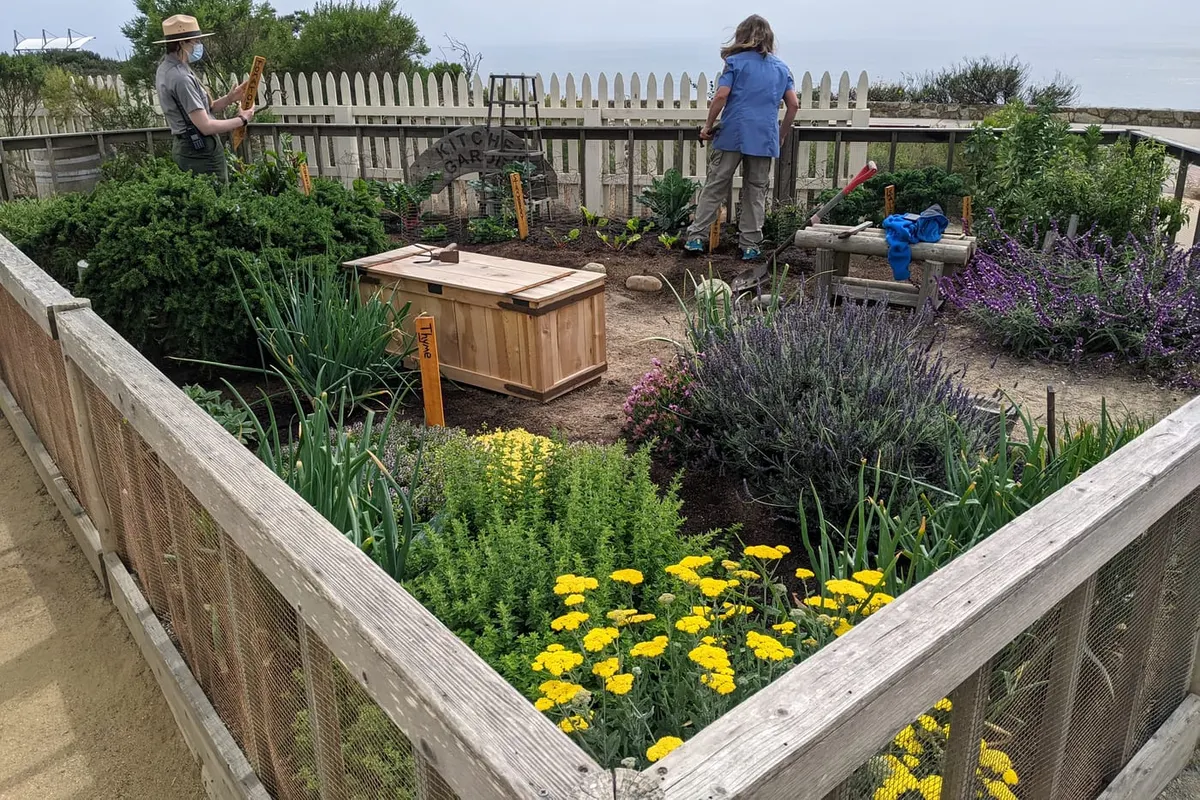
Top photo: Raised vegetable beds in a kitchen garden. Photo: Wugapodes, CC BY-SA 4.0, via Wikimedia Commons.
The short answer: Cool-season crops (lettuce, peas, broccoli, spinach) go in during spring and autumn. Warm-season crops (tomatoes, peppers, squash, beans, basil) go in after the last frost, when nights stay above 50°F (10°C).
Planting at the right time is half of gardening success. Plant tomatoes too early and a cold night kills them; plant lettuce too late and it bolts to seed in the heat.
The catch: the US and Australia have opposite seasons. When it’s spring in Ohio, it’s autumn in Melbourne. So this calendar lists every month for both.
Step 1: Know your climate
In the US: find your USDA hardiness zone and your average last spring frost date (search your ZIP code). Everything below is built around it:
- Zones 3–5 (northern states): short season. Last frost often in May or even early June.
- Zones 6–7 (middle states): last frost around April.
- Zones 8–10 (South, Southwest, California, Florida): mild winters — you can grow cool crops all winter.
In Australia: think in climate zones:
- Cool/temperate (Melbourne, Hobart, Canberra, Adelaide hills): frosty winters, classic four seasons.
- Temperate/subtropical (Sydney, Perth, Brisbane): mild winters, hot summers.
- Tropical (Darwin, Cairns): grow in the dry season (April–September); the hot, wet season is hard on most vegetables.
Cool-season vs. warm-season crops
| Cool-season (likes 50–75°F / 10–24°C) | Warm-season (likes 70–90°F / 21–32°C) |
|---|---|
| Lettuce, spinach, kale, arugula | Tomatoes, peppers/capsicum, eggplant |
| Peas, broad beans (fava) | Beans (bush and climbing), corn |
| Broccoli, cabbage, cauliflower | Zucchini, squash, pumpkin, cucumber |
| Carrots, beets, radishes | Melons, sweet potato |
| Onions, garlic, leeks | Basil, okra |
The month-by-month calendar
Use the column for where you live. US months assume a mid-range zone (6–7) — shift a month earlier in the South, a month later in the North. Australian months assume a temperate climate (Sydney/Melbourne-ish).
| Month | United States (zone 6–7) | Australia (temperate) |
|---|---|---|
| January | Plan the garden, order seeds. Zones 8–10: plant onions, peas, lettuce. | Mid-summer. Sow beans, zucchini, cucumber, lettuce (in shade), basil. Water deeply. |
| February | Start peppers and onions indoors. Zones 8–10: potatoes, carrots, beets. | Start broccoli, cabbage and cauliflower seedlings for autumn. Last sowings of beans. |
| March | Start tomatoes indoors (6–8 weeks before last frost). Sow peas, spinach outside when soil can be worked. | Early autumn. Plant broccoli, cabbage, kale, beetroot, carrots, leeks. |
| April | Plant lettuce, carrots, radishes, potatoes, onions outside. Harden off seedlings. | Plant garlic (from late March to May), broad beans, peas, spinach, lettuce. |
| May | After last frost: plant tomatoes, peppers, squash, beans, cucumbers, corn, basil. | Late autumn. Plant onions, garlic, broad beans, peas. Cool areas: protect seedlings from frost. |
| June | Sow more beans, corn and cucumbers every 2–3 weeks for a longer harvest. Mulch. | Winter. Plant onions, asparagus crowns and bare-root fruit trees. Warmer areas: lettuce, peas. |
| July | Harvest season. Sow carrots, beets and kale for a fall crop. Water deeply. | Plan spring beds. Start tomatoes and capsicum indoors in cool areas. Plant potatoes in frost-free areas. |
| August | Sow lettuce, spinach and radishes for fall; plant broccoli and cabbage transplants. | Late winter. Sow peas, potatoes, lettuce. Start tomato, eggplant and capsicum seeds indoors. |
| September | Plant garlic later this month into October. Sow spinach, lettuce, radishes. | Spring! After frost risk: tomatoes, beans, zucchini, cucumber, corn in warmer areas. |
| October | Plant garlic and shallots. Harvest squash and pumpkins before frost. | Plant tomatoes, capsicum, eggplant, beans, pumpkin, melons, basil. |
| November | Mulch beds, plant cover crops. Zones 8–10: lettuce, spinach, broccoli, carrots. | Late spring. Keep sowing beans, corn, zucchini, cucumber. Stake tomatoes. |
| December | Rest month. Plan next year. Zones 9–10: keep planting cool crops. | Summer begins. Sow beans, basil, lettuce (in partial shade). Mulch and water deeply. |
Tropical Australia and Florida/Hawaii-style climates: plant most vegetables in the cooler, drier months (Australia: April–September; Florida: October–March). Use heat-tolerant crops like sweet potato, okra and snake beans in the hot season.
5 rules that work everywhere
- Soil temperature beats the calendar. Beans and corn rot in cold soil. Wait until soil is at least 60°F (16°C).
- Harden off seedlings. Put indoor-grown seedlings outside for a few hours a day for a week before planting.
- Plant little and often. Sowing lettuce, beans and radishes every 2–3 weeks gives a steady harvest instead of a glut.
- Mulch. A layer of straw or sugarcane mulch keeps soil moist and cool in summer.
- Check local rules. Australia has water restrictions in some areas and strict rules on bringing seeds and plants between states.
Beginner-friendly crops to start with
- Radishes — ready in about a month.
- Lettuce and arugula — cut-and-come-again harvests.
- Bush beans — no staking, very productive.
- Zucchini — one or two plants feed a family.
- Cherry tomatoes — far more forgiving than big tomatoes.
- Herbs — basil in summer, parsley and cilantro (coriander) in cool weather.
No garden? Most of these grow in containers on a sunny balcony. And for the indoor side of things, start with houseplants that are almost impossible to kill.
Want monthly reminders for your hemisphere? Sign up below and choose US or Australia — we’ll tell you what to plant each month.
Quick answers
When should I start planting vegetables?
In the US, plant warm-season crops like tomatoes after your last spring frost date (March in the South, May or June in the North). In Australia, plant them in spring (September–November) in temperate areas, or in the cooler dry season in the tropics.
What can I plant in November?
In the US, November is for garlic and, in warm zones (8–10), cool-season crops like lettuce, spinach and broccoli. In Australia, November is late spring: tomatoes, capsicum, zucchini, cucumbers, beans and basil.
How do I find my last frost date?
In the US, look up your USDA hardiness zone and local frost dates using your ZIP code (many university extension sites and seed companies have free calculators). In Australia, check Bureau of Meteorology frost data or your state agriculture department.
Sources
- USDA Plant Hardiness Zone Map
- NC State Extension — Central North Carolina Planting Calendar
- U.S. National Weather Service
Checked November 9, 2026. Spotted an error? Tell us — see our editorial policy.
Pin it to your plant board so you can find it when you need it.
Save to PinterestKeep reading
More Garden →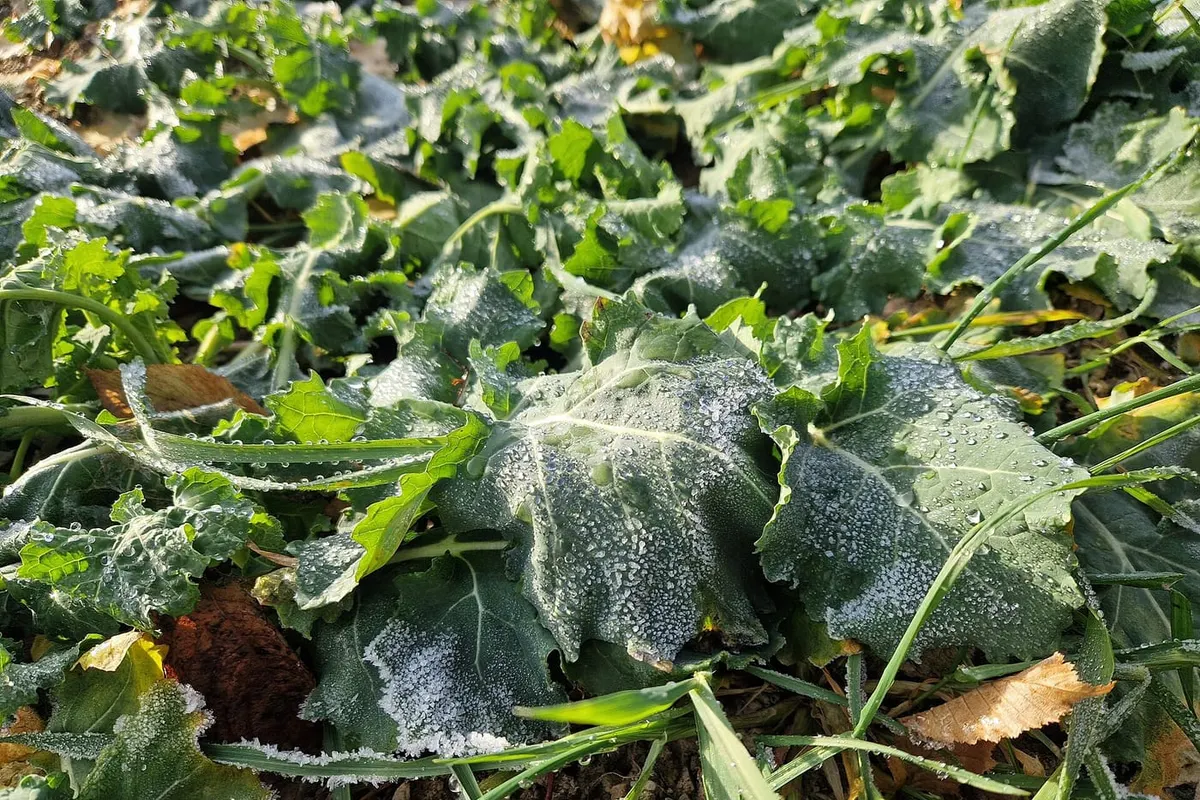
When to bring plants inside
Tropical houseplants should come in when nights drop below 50–55°F, well before frost. A temperature chart by plant type and a 5-step bug-check list.
Garden
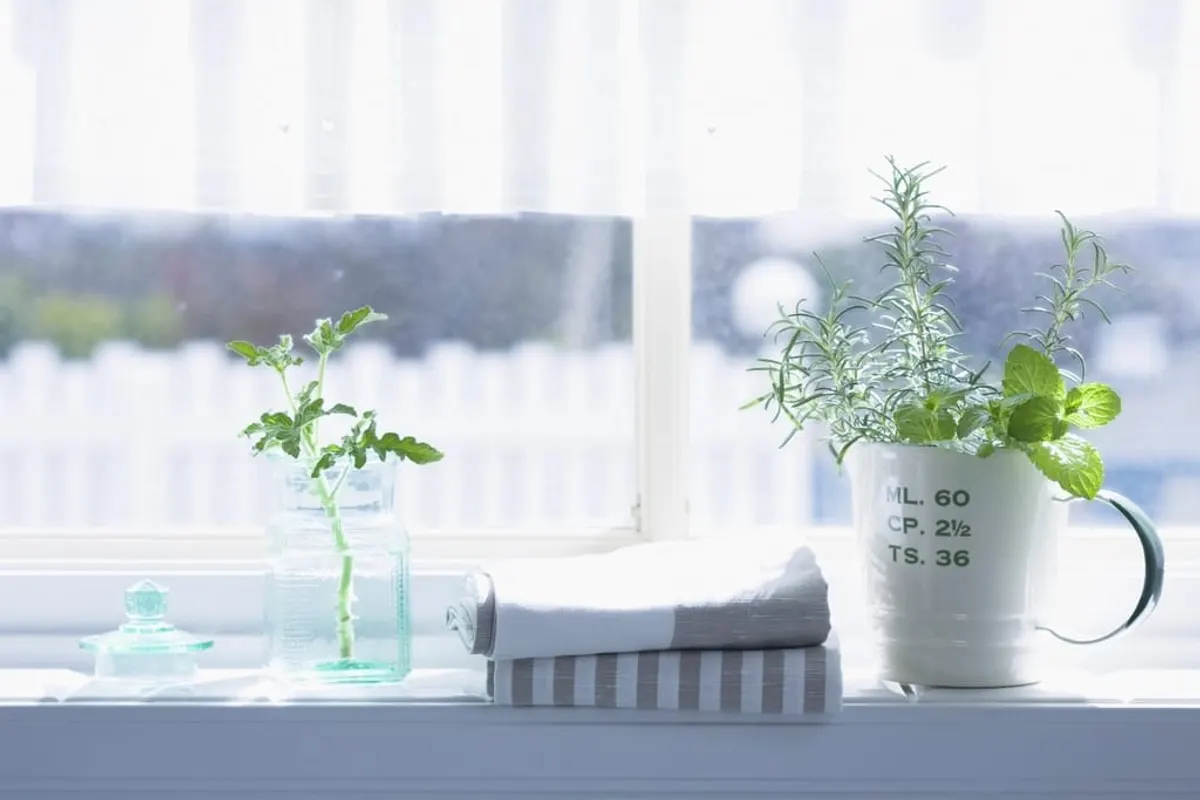
Herbs for a windowsill
Herbs need more light than houseplants: most want 6+ hours of sun. Which herbs work on a windowsill, which need a grow light, and which are safe around pets.
Garden
12 houseplants that are hard to kill
Serial plant killer? These 12 tough houseplants survive low light, missed waterings and dry air — plus the one mistake that still kills them.
Indoor Plants

10 plants for dark apartments
No sunny windows? These 10 plants grow in low light — plus how to tell how much light you really have and the one mistake people make in dark rooms.
Indoor Plants
Christmas cactus not blooming?
Christmas cactus sets buds when nights are long or cool. The 6-week plan to get blooms, why buds drop, and how to tell a Thanksgiving cactus from a Christmas cactus.
Indoor Plants
A watering chart for 24 plants
A printable watering chart for 24 popular houseplants: when the soil should be dry, how many days in summer vs. winter, and which plants are toxic to pets.
Plant Care Basics